Why Structural Drying Is Key to Preventing Mold Regrowth
Understanding the Link Between Moisture and Mold
Mold needs three things to thrive: moisture, a food source (like carpet fibers, drywall, or wood), and the right temperature. When water damage occurs - from a burst pipe, flooding, or a slow leak - the moisture soaks deep into building materials. Simply drying the surface is not enough. The trapped moisture in the subfloor, wall cavities, and structural beams creates a hidden reservoir that feeds mold growth long after the visible water is gone. This is why structural drying matters. It targets the moisture that remains inside the building's framework, not just on the surface.
What Structural Drying Actually Involves
Structural drying is a systematic process that removes moisture from porous building materials. It goes beyond what fans, dehumidifiers, or open windows can achieve. The goal is to bring the moisture content of wood, concrete, drywall, and insulation back to normal levels. Professionals use industrial-grade air movers, desiccant dehumidifiers, and heat to create a controlled drying environment. They monitor moisture readings with meters to track progress. The process can take days or even weeks, depending on the extent of the water damage and the materials involved. Rushing this step is a common mistake that leads to mold regrowth.
How Moisture Gets Trapped in Structures
When water soaks into a building, it travels through capillary action. It wicks up drywall, seeps between floorboards, and saturates the padding under carpets. Even after the visible water is extracted, the moisture remains locked in the dense parts of the structure. Carpet padding, for instance, can hold water like a sponge. Wood subfloors absorb moisture and swell. Concrete slabs wick water upward. Without targeted drying, these materials stay damp for weeks - long enough for mold spores to germinate and colonize. The hidden moisture is why mold often reappears in the same spots after a superficial cleanup.
The Difference Between Surface Drying and Structural Drying
Surface drying deals with what you can see and touch. It involves wiping down walls, drying carpets with extractors, and using fans to speed evaporation. This is a necessary first step, but it leaves the deeper moisture untouched. Structural drying, on the other hand, addresses the moisture trapped inside the building envelope. It uses methods like injecting dry air into wall cavities, applying heat to raise the vapor pressure, and using desiccant dehumidifiers that pull moisture from the air and materials. The result is a thoroughly dry structure where mold cannot easily regrow. For homeowners and property managers, the difference means the difference between a temporary fix and a lasting solution.
Why Mold Returns After Incomplete Drying
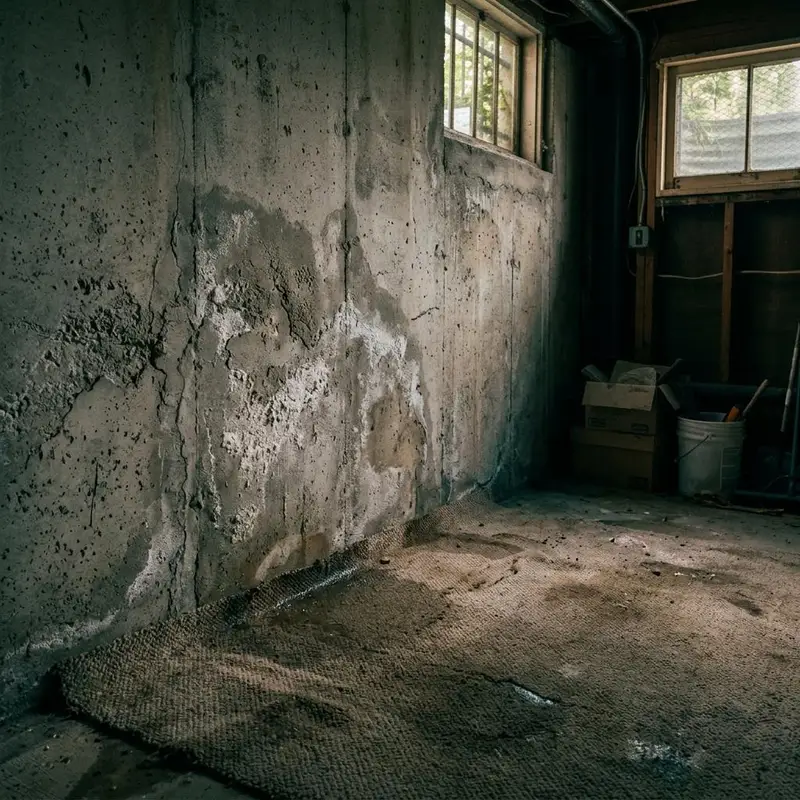
Mold spores are everywhere - in the air, on surfaces, and in dust. They only become a problem when they find a damp place to settle. When structural drying is skipped or cut short, the remaining moisture creates ideal conditions for spore germination. Within 24 to 48 hours, new colonies can appear. They often show up as musty odors, dark spots on walls, or discoloration on carpet edges. The mold that returns is frequently more stubborn than the original growth because it has had time to penetrate deeper into materials. This is especially common in carpeted areas where the padding and subfloor stay damp. Professional remediation must include thorough drying to break this cycle.
Key Steps in a Structural Drying Process
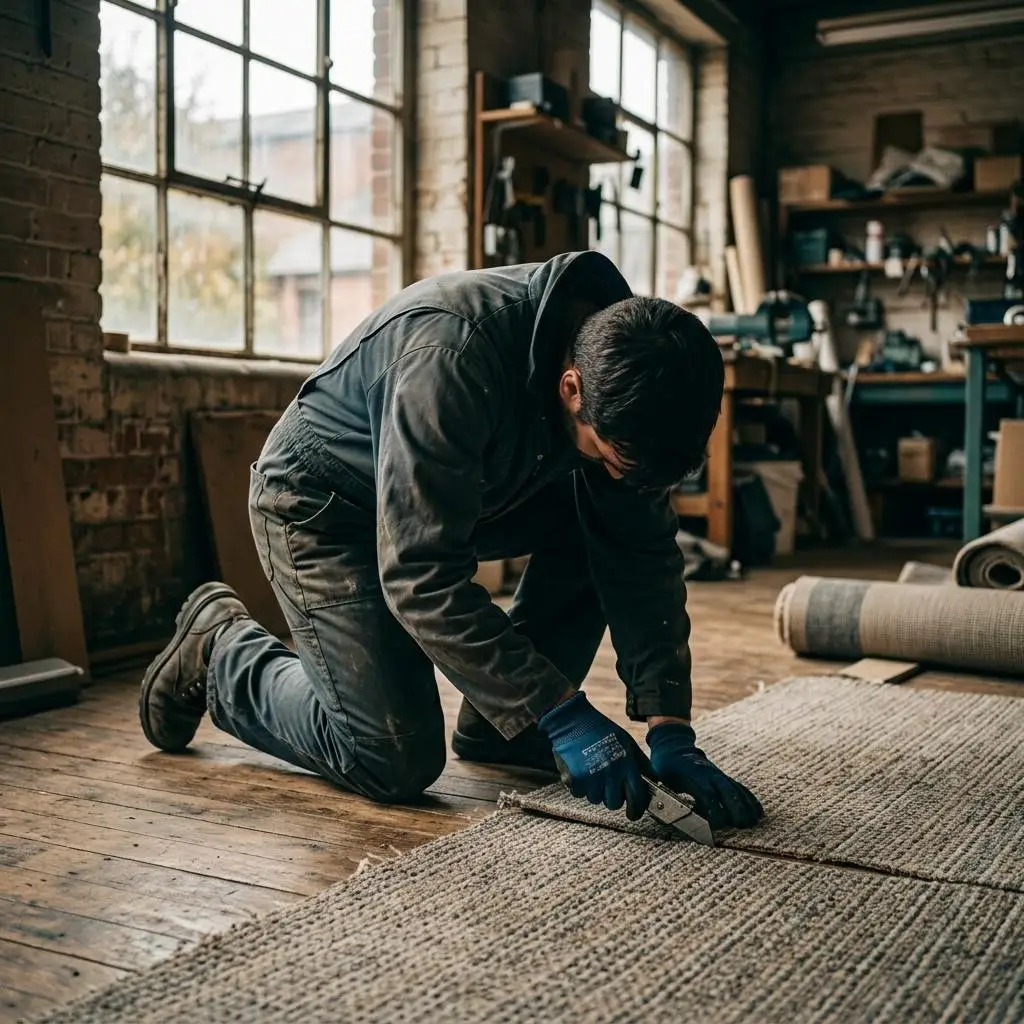
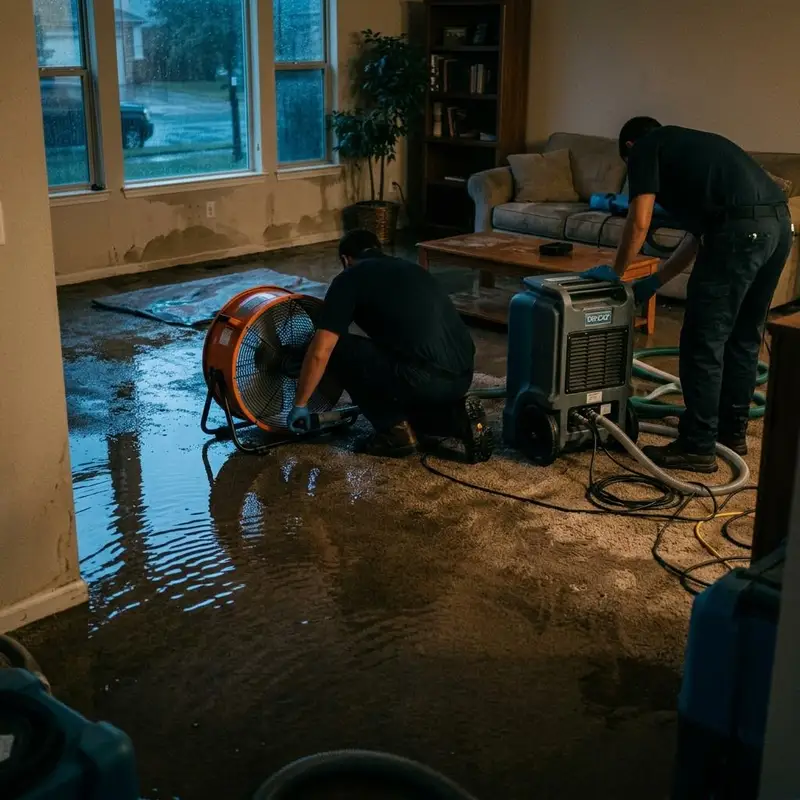
A proper structural drying plan involves several stages. First, the source of water is stopped and the standing water is extracted. Then, affected materials are removed if they are beyond saving - this includes wet carpet, padding, and damaged drywall. Once the space is opened up, drying equipment is positioned strategically. Air movers create cross-ventilation, desiccant dehumidifiers pull moisture from the air and materials, and heaters raise the temperature to speed evaporation. Moisture readings are taken regularly to track progress. Drying continues until the moisture content in wood and concrete falls below the threshold where mold can grow - typically around 15 percent for wood. The entire process requires patience and careful monitoring.
Common Equipment Used in Structural Drying
- Desiccant dehumidifiers that work well in cooler conditions and remove large amounts of moisture
- High-velocity air movers to keep air circulating across wet surfaces
- Moisture meters to check wood, drywall, and concrete for hidden dampness
- Heat sources like electric heaters to raise the temperature and increase evaporation rates
Each piece of equipment plays a role. Air movers alone are not enough if the air is already humid. Dehumidifiers need to be sized correctly for the space. Professionals know how to balance these tools for the specific materials and climate involved.
Why Professional Assessment Matters
Not all water damage is the same. Clean water from a pipe leak behaves differently than floodwater containing silt and bacteria. The type of building materials also matters. Older homes may have plaster and lath, which dry differently than modern drywall. Concrete slabs in basements take longer to dry than wooden subfloors. A professional assessment identifies the extent of moisture penetration and the best drying strategy. It also determines which materials can be dried and which must be replaced. For example, wet carpet padding is almost always removed because it holds moisture against the subfloor. But the subfloor itself can often be dried in place if done correctly. This judgment is where experience counts.
The Role of Containment and Air Quality
During structural drying, the area is often contained with plastic sheeting to control humidity and prevent mold spores from spreading to other parts of the building. Negative air pressure machines may be used to filter the air and keep contaminants from migrating. This is especially important when mold is already present. The drying process can stir up spores, so proper containment protects the rest of the property. After drying, air quality testing can confirm that mold spore levels have returned to normal. For anyone dealing with mold in carpets or walls, this step provides peace of mind that the problem is truly resolved.
How Structural Drying Fits Into Mold Remediation
Mold remediation is not just about cleaning visible growth. It is about addressing the conditions that allow mold to flourish. Structural drying is the step that eliminates the moisture source. After contaminated materials are removed and the area is cleaned, drying ensures that the rebuilt space stays mold-free. This is where services like those offered by Carpet Mold Removal Services Pros carpet mold remediation come into play. They combine moisture identification, material removal, and structural drying into a complete process. The drying phase is what prevents the mold from returning after the cleanup is done. Without it, the remediation is incomplete.
Practical Considerations for Property Owners
If you are dealing with water damage, time is critical. The longer materials stay wet, the more likely mold will take hold. Start by stopping the water source and removing any standing water. Then, increase airflow by opening windows and using fans, but understand that this is only a temporary measure. For a thorough dry, you need professional equipment and expertise. Expect the process to take several days. Be prepared for some disruption - furniture may need to be moved, and baseboards or carpet may need to be lifted. The investment in proper drying pays off by preventing costly mold remediation down the road.
Signs That Structural Drying Is Complete
You cannot rely on touch or sight alone to know when materials are dry. Wood that feels dry on the surface may still have high moisture content inside. Professionals use moisture meters to get accurate readings. For wood, a reading below 15 percent is generally safe. For concrete, the target is lower, often below 4 percent. Another sign is consistent humidity levels in the air - when the relative humidity in the space stabilizes and no longer drops during drying, it suggests that the materials have stopped releasing moisture. A musty smell that persists even after drying indicates that hidden dampness remains. In that case, further investigation is needed.
Long-Term Benefits of Thorough Drying
A properly dried structure is more than just mold-free. It is also more stable and less prone to rot, warping, and pest infestations. Wood that stays dry does not decay. Concrete that is dry does not harbor mold or mildew. For carpets, a dry subfloor means the new carpet or padding will not be compromised from below. The health benefits are significant as well. Mold spores can trigger allergies, asthma, and other respiratory issues. By preventing mold regrowth, structural drying helps maintain better indoor air quality. For families, this means fewer health complaints and a more comfortable living environment.
For those seeking a complete solution, the combination of moisture assessment, material removal, and structural drying is essential. This is exactly the approach used by Carpet Mold Removal Services Pros carpet mold remediation. By addressing the root cause of mold - trapped moisture - they help ensure that the problem does not return. Whether you are dealing with a small leak or major flooding, understanding the role of structural drying can save you time, money, and frustration in the long run.